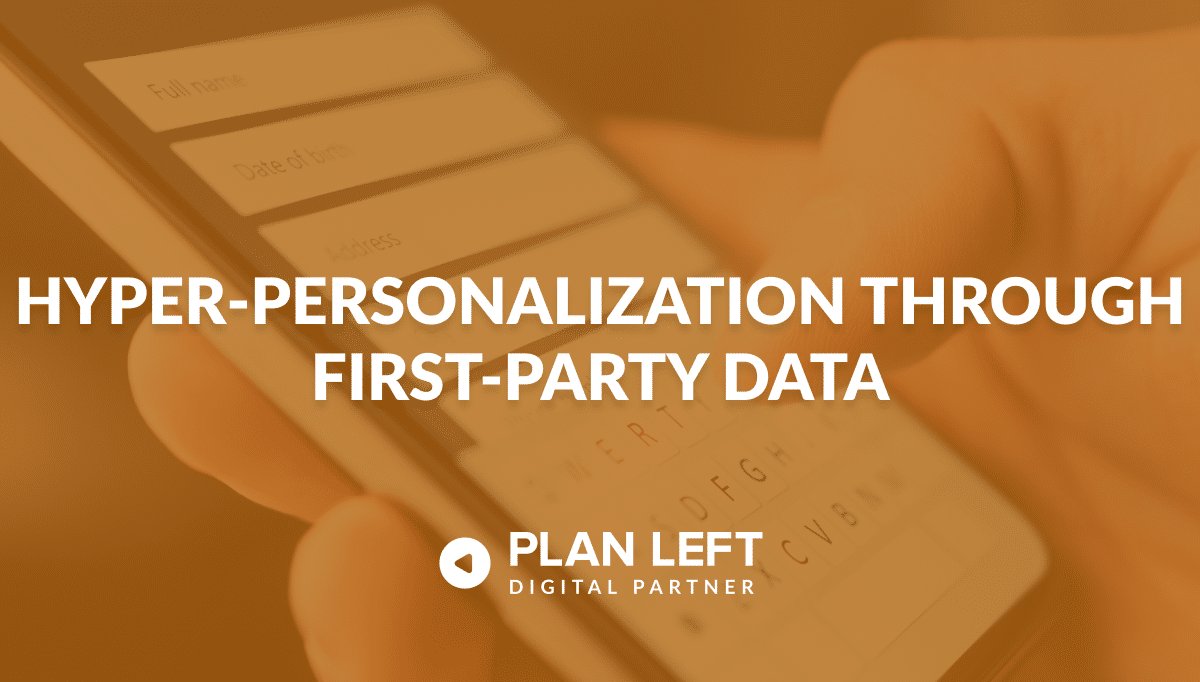
Hyper-personalization through first-party data has become a critical strategy for brands looking to create more tailored and engaging customer experiences. This approach involves leveraging data collected directly from customers to deliver highly relevant content, products, and services.
The Shift Towards First-Party and Zero-Party Data
Specific changes are driving the move towards first-party and zero-party data:
- Privacy Regulations: With the implementation of laws like GDPR and CCPA, companies are facing stricter rules around data collection and usage.
- Cookie Deprecation: Major browsers are phasing out third-party cookies, making it harder to track users across websites.
- Consumer Expectations: Customers now expect personalized experiences but are also more concerned about data privacy.
- Data Quality: First-party data is often more accurate and relevant than third-party data purchased from external sources.
Building Trust Through Personalization
Brands can use first-party data to build trust with customers in several ways:
- Transparency: By clearly communicating how customer data will be used, brands can foster trust and encourage data sharing.
- Value Exchange: Offering personalized experiences or exclusive benefits in exchange for data can make customers more willing to share information.
- Improved Customer Experience: Using first-party data to deliver highly relevant content and recommendations demonstrates that the brand understands and values its customers.
Implementing Hyper-Personalization
To effectively use first-party data for hyper-personalization:
- Data Collection: Implement robust systems to collect data across all customer touchpoints, including websites, apps, and customer service interactions.
- Data Analysis: Use advanced analytics and AI to derive actionable insights from the collected data.
- Segmentation: Create detailed customer segments based on behavior, preferences, and other relevant factors.
- Personalized Content Delivery: Use the insights gained to deliver tailored content, product recommendations, and offers across all channels.
- Continuous Optimization: Regularly analyze the results of personalization efforts and refine strategies accordingly.
By leveraging first-party data for hyper-personalization, brands can create more engaging, relevant experiences that build customer loyalty and drive business growth. This approach not only respects customer privacy but also delivers the personalized interactions that modern consumers expect. Not sure where to start? Contact Plan Left for a consultation today!
Explore Latest Posts

Marketing Mistakes That Are Killing Your Margins (And How to Fix Them) Most businesses measure marketing success by growth metrics ... read more
May 27, 2026
Balancing Long-Term Brand Building vs. Immediate Lead Generation Marketing budget discussions frequently devolve into debates between brand building and lead ... read more
May 20, 2026
Social Proof That Sells: Getting Testimonials That Actually Convert Prospects Your testimonials page displays a dozen quotes praising your "great ... read more
May 13, 2026
Essential Strategies for Entrepreneurs
Get Actionable Business Insights & Marketing Tips
Our newsletter delivers real-world strategies from entrepreneurs who’ve been exactly where you are.
Sign up now for:
- Actionable growth strategies that work
- Insider tactics for attracting top talent
- Real-world case studies from successful founders
- Emerging tech trends that drive innovation
- Pragmatic marketing approaches for visionary leaders